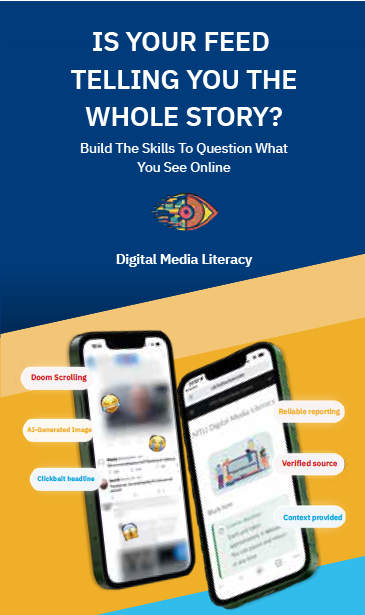
This interactive online resource is a set of eight units to support learners in their online information ecosystem. It is a mix of text, images, video, audio and interactive tasks. The resource can be accessed directly via the link provided or embedded in any Learning Management System compatible with SCORM files.
Benefit of this resource and how to make the best use of it
The ability to identify high-quality information and use it to make informed decisions is an essential skill for university graduates, particularly in today’s digital environment. The European Parliament Youth Survey 2024 found that social media is the primary source of information on political and social issues for people aged 16–30. However, few third-level students receive dedicated media literacy education after leaving secondary school.
This OER develops the skills learners need to:
• Understand how media shapes the information we receive and how misinformation and disinformation are used to mislead.
• Understand the impact of algorithms, digital surveillance, and media ownership on the information ecosystem.
• Evaluate the credibility and reliability of media sources using critical thinking and fact checking skills.
• Make considered decisions about media engagement through awareness of digital citizenship and responsible participation in a digital community.
• Reflect on digital media habits and develop strategies for maintaining digital wellbeing.
The resource can be completed independently but will have maximum benefit when part of a taught course with opportunities to reflect and build on the content with an instructor and peers. Because the resource is self-contained, it can be used by educators from diverse backgrounds across a variety of subject areas. The content can be extended to suit different disciplines, through classroom based activities and discussions.
The units are: 1. Introduction, 2. Decoding Digital Media, 3. Critical Thinking About Media, 4. Media Ownership and Regulation, 5. Practical Skills and Useful Resources, 6. Critical Thinking About Data and Science, 7. Digital Wellbeing, 8. Shaping Our Future.
The SCORM files can be downloaded and modified, allowing other institutions to incorporate their own visuals and content and tailor the resource to suit their students.
?
This citation is automatically generated and may require adjustment. Always verify it against your style guide.
Munster Technological University, and Munster Technological University Digital Media Literacy Team (31/03/2026). Digital media literacy: build the skills to question what you see online. National Resource Hub (Ireland). Retrieved from: https://hub.teachingandlearning.ie/resource/digital-media-literacy-build-the-skills-to-question-what-you-see-online/ License: Creative Commons Attribution-NonCommercial (CC BY-NC).
Adapting this resource? Share your version!
If you have modified or adopted this resource, share your version here. Tracking adaptations helps us measure impact and connects others with useful updates.
The Technological University of the Shannon (TUS) Compendium of Approaches to Integrating Digital Competencies into the Curriculum exemplifies the University’s commitment to embedding digital capability development across teaching, learning, and assessment.
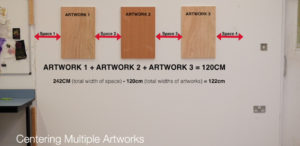
These video resources outline basic hanging and levelling methods used in the hanging and display of a variety of wall-based artworks, as well as demonstrating safe operation procedures for basic hand tools such as a drill, jigsaw, sander and nail gun.
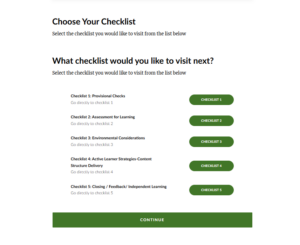
Teaching and Assessment for Learning Checklists aimed at early career & seasoned lecturers. The checklists provide guidance & reliable curated resources for lecturers who want to deliver an engaging and positive learning experience for their students. They act as a guide to check existing approaches, and help analyse how improvements can be made.
This open educational resource provides a step-by-step guide to cataloguing three-dimensional physical objects — primarily material samples — in Koha, the open-source Library Management System.