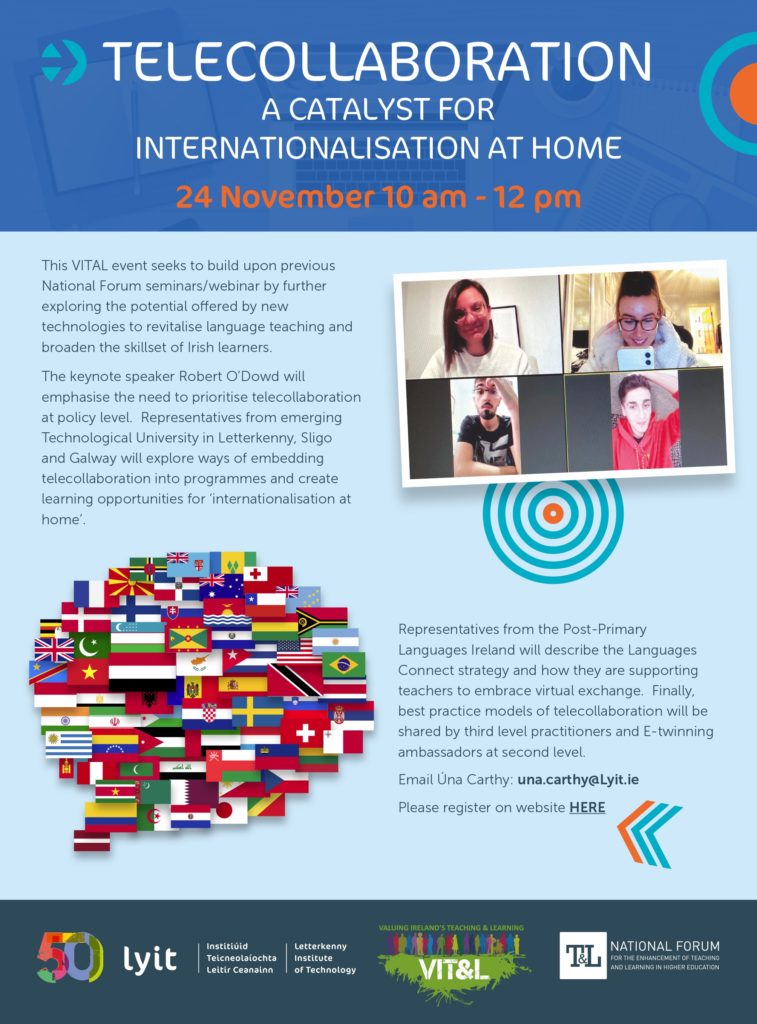
This VITAL event seeks to build upon previous National Forum seminars/webinar by further exploring the potential offered by new technologies to revitalise language teaching and broaden the skillset of Irish learners.
Benefit of this resource and how to make the best use of it
The keynote speaker Robert O’Dowd will emphasise the need to prioritise telecollaboration at policy level. Representatives from emerging Technological University in Letterkenny, Sligo and Galway will explore ways of embedding telecollaboration into programmes and create learning opportunities for ‘internationalisation at home’.
Representatives from the Post-Primary Languages Ireland will describe the Languages Connect strategy and how they are supporting teachers to embrace virtual exchange. Finally, best practice models of telecollaboration will be shared by third level practitioners and E-twinning ambassadors at second level.
Creative Commons Zero (CC0)
This work has been dedicated to the public domain under a CC0 license, allowing unrestricted use, distribution, and adaptation without attribution.
?
This citation is automatically generated and may require adjustment. Always verify it against your style guide.
Carthy, U. (2022). Telecollaboration – a catalyst for internationalisation at home. National Resource Hub (Ireland). Retrieved from: https://hub.teachingandlearning.ie/resource/telecollaboration-a-catalyst-for-internationalisation-at-home/ License: Creative Commons Zero (CC0).
Adapting this resource? Share your version!
If you have modified or adopted this resource, share your version here. Tracking adaptations helps us measure impact and connects others with useful updates.
The Technological University of the Shannon (TUS) Compendium of Approaches to Integrating Digital Competencies into the Curriculum exemplifies the University’s commitment to embedding digital capability development across teaching, learning, and assessment.
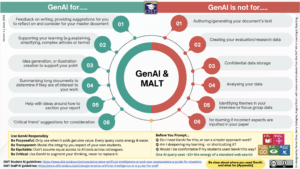
A 1-page guide, co-created by lecturers, tutors & students on DkIT's MA in Learning and Teaching, showing where GenAI can, and can't, support particular postgraduate research/skill development (*reflecting practice 2025-26). Includes student-informed prompts on responsible, sustainable use. An editable PowerPoint supports adaptation to own context.
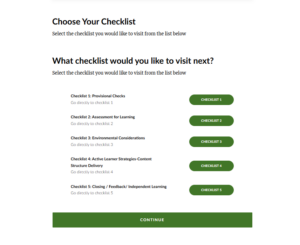
Teaching and Assessment for Learning Checklists aimed at early career & seasoned lecturers. The checklists provide guidance & reliable curated resources for lecturers who want to deliver an engaging and positive learning experience for their students. They act as a guide to check existing approaches, and help analyse how improvements can be made.
Team Tool is an open educational resource (OER) designed to support equitable,
e ective teamwork in higher education. It was developed in response to persistent
challenges in collaborative work, including uneven contribution, lack of
accountability and student dislike and anxiety around group projects.