In the physical classroom, and during team-based learning, low tech options like voting cards, flipchart paper and drawing pins can be very easy to set up and operate for both faculty and students. However they can limit the types of application exercise that are possible to roll out. Here the authors present digital options that can transform the type of application exercises that students can engage with.
What does success look like as a student?
In this short film, students in higher education across Ireland reflect on confidence, perseverance, first-time experiences, learning, and the small moments that can make a big difference.
The student voices featured here were gathered through the HEA Student Success Survey and Focus Groups in 2025 and are shared in their own words.
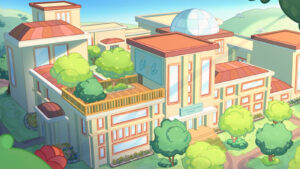
The animations are creative interpretations of those reflections, imagined and produced by second-year Animation students at Dún Laoghaire Institute of Art, Design and Technology (IADT).
From communicating in a second language to returning to education as a mature student, overcoming anxiety, and simply choosing not to quit, these stories explore the many ways success can be experienced.
Even small moments in college can be a success. What are yours?
Credits
Animation, Backgrounds & Compositing — Arantxa Vara
Animation & Backgrounds — Giada Randolfi
Animation — Zach Louis Ng Nocum
Animation & Backgrounds — Alex
Music composition & production — Darragh Winters
Special thanks
Karima Dillon
Eimhin Mc Namara
Rebecca Roper
The students who shared their experiences