

The aim of the this workbook is to provide a series of resources; contextual information, methods and approaches in the area of Screencasting.
Ancillary, supplementary or associated files…
The aim of the this workbook is to provide a series of resources; contextual information, methods and approaches in the area of Screencasting.
Around each themed area you will find worksheets and activity lists, plus substantial references to original and core literature. Key areas covered include: • What is Active and Student Centred Learning? • What, When and How would I use a ScreenCast? • An Educational Framework for ScreenCasting
Creative Commons Attribution (CC BY)
This work is licensed under a CC BY license, allowing sharing and adaptation with proper attribution.
https://creativecommons.org/licenses/by/4.0/
Links open in a new tab.
If you have modified or adopted this resource, share your version here. Tracking adaptations helps us measure impact and connects others with useful updates.
Explore resources sharing the topics attached to this record.
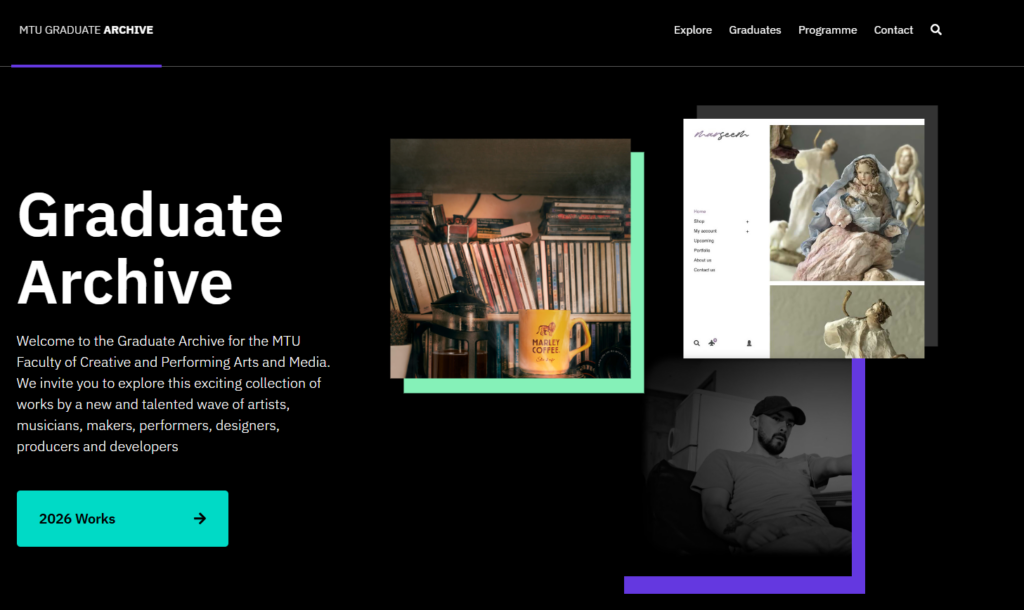
The Graduate Archive Website is a permanent collection of final year artworks and performances across the MTU Faculty of Creative and Performing Arts and Media.
The Archive showcases all works in full detail, which allows the works to function as high quality research material, and creates a key resource for teaching and learning.
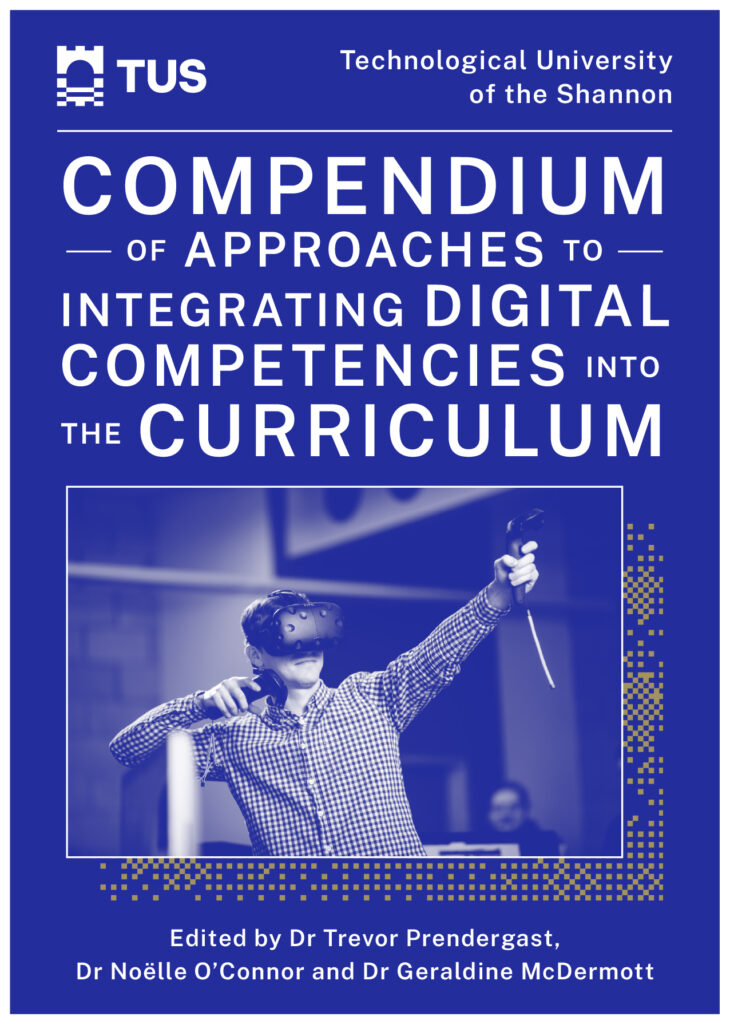
The Technological University of the Shannon (TUS) Compendium of Approaches to Integrating Digital Competencies into the Curriculum exemplifies the University’s commitment to embedding digital capability development across teaching, learning, and assessment.
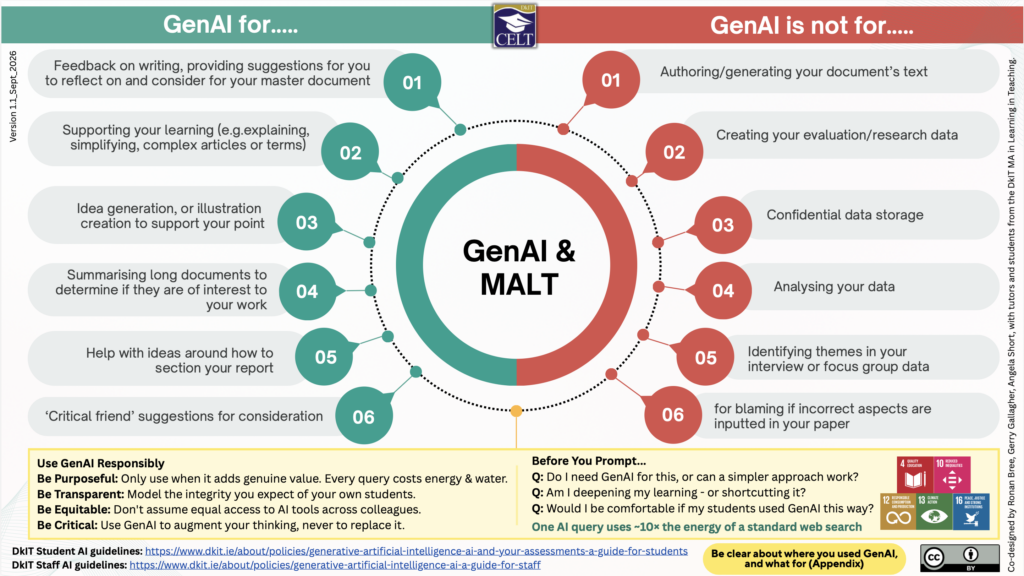
A 1-page guide, co-created by lecturers, tutors & students on DkIT's MA in Learning and Teaching, showing where GenAI can, and can't, support particular postgraduate research/skill development (*reflecting practice 2025-26). Includes student-informed prompts on responsible, sustainable use. An editable PowerPoint supports adaptation to own context.