The University of Limerick Academic Integrity and GenAI toolkit is a curated suite of resources developed to support ethical academic practices in the evolving landscape of Generative AI.
Benefit of this resource and how to make the best use of it
This toolkit has been delivered specifically for those who are external to the University of Limerick but who might be interested in utilising some of the content that the Academic Integrity Unit has developed. This initiative empowers students and staff to navigate AI-enhanced learning environments with integrity and confidence.
The toolkit includes resources such as:
Academic Integrity Declaration Form – to promote transparency and accountability in student submissions.
GenAI Acknowledgment Templates – enabling students to clearly disclose the use of AI tools in their academic work.
Written Assignment Guidelines – offering practical advice on responsible AI use, citation practices, and originality.
Together, these resources aim to uphold UL’s commitment to academic excellence and ethical scholarship in a digital age.
This work is licensed under a CC BY-NC-ND license, permitting redistribution for non-commercial use with proper attribution but prohibiting modifications.
?
This citation is automatically generated and may require adjustment. Always verify it against your style guide.
McGrath, F., Kennnedy, M., & Benini, S. (06/10/2025). Academic integrity and genai toolkit. National Resource Hub (Ireland). Retrieved from: https://hub.teachingandlearning.ie/resource/academic-integrity-and-genai-toolkit/ License: Creative Commons Attribution-NonCommercial-NoDerivatives (CC BY-NC-ND).
Adapting this resource? Share your version!
If you have modified or adopted this resource, share your version here. Tracking adaptations helps us measure impact and connects others with useful updates.
The Technological University of the Shannon (TUS) Compendium of Approaches to Integrating Digital Competencies into the Curriculum exemplifies the University’s commitment to embedding digital capability development across teaching, learning, and assessment.
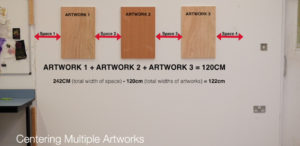
These video resources outline basic hanging and levelling methods used in the hanging and display of a variety of wall-based artworks, as well as demonstrating safe operation procedures for basic hand tools such as a drill, jigsaw, sander and nail gun.
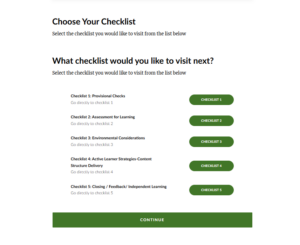
Teaching and Assessment for Learning Checklists aimed at early career & seasoned lecturers. The checklists provide guidance & reliable curated resources for lecturers who want to deliver an engaging and positive learning experience for their students. They act as a guide to check existing approaches, and help analyse how improvements can be made.
This open educational resource provides a step-by-step guide to cataloguing three-dimensional physical objects — primarily material samples — in Koha, the open-source Library Management System.