

This tutorial explicates three critical examples of how psychology informs legal professionals of the problems that human behaviour brings to law and its practice.
Ancillary, supplementary or associated files…
This tutorial explicates three critical examples of how psychology informs legal professionals of the problems that human behaviour brings to law and its practice.
Starting with an introduction to what psychology is, and what it is not, the tutorial moves to discuss and critically analyse key studies in psychological research demonstrating: the fallibility of forensic profiling, the malleability of human memory relevant to false memory syndrome, and finally the vulnerability of juries to prejudicial evidence. These key studies demonstrate how forensic profiling may sometimes mislead police investigations, how false memories can be planted in the mind of witnesses, and how prejudicing evidence, such as prior convictions, can bias trials in which very little other corroboration is evident. These thought provoking findings are presented in the context of core landmark findings within the psychology of law literatures, and will provide the student and lecturer with much to appraise and work with to advance complementary literatures within law, such as a critique of the rules of evidence and procedure. Finally, a select reading list is provided to aid the student and lecturer for future reference.
Creative Commons Attribution (CC BY)
This work is licensed under a CC BY license, allowing sharing and adaptation with proper attribution.
https://creativecommons.org/licenses/by/4.0/
Links open in a new tab.
If you have modified or adopted this resource, share your version here. Tracking adaptations helps us measure impact and connects others with useful updates.
Explore resources sharing the topics attached to this record.
A report outlining pedagogical recommendations for redesigning an online doctoral research-integrity module.
A report combining doctoral-student and postgraduate teaching-director feedback on Trinity’s research integrity module.
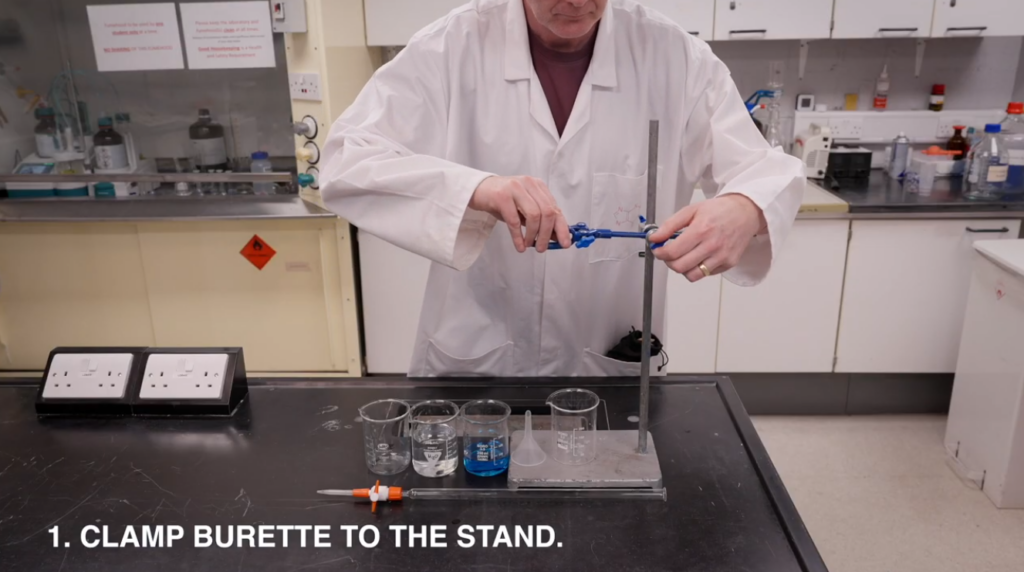
Demonstration of basic laboratory techniques, with the ability to stop, rewind and watch again. Aimed at 1st year students with no chemistry or limited experience