Student engagement

Sort by

Filter by

This Podcast Series has been developed by CPID Staff involved in teaching and engaging in educational research. It consists of podcasts with well-known educational academics and experts, exploring various educational concepts/topics taught on programmes offered by the CPID, and on SATLE funded educational research projects.

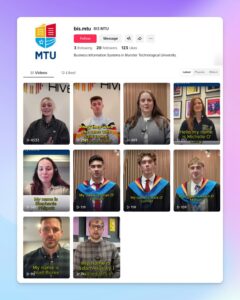
Short-form video interviews with MTU Business Information Systems graduates showcasing diverse career paths, designed to support professional identity development. These TikTok-style exemplars help students connect personal values with authentic career journeys, achieving 62,539+ views across social media platforms.

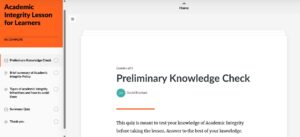
This lesson is designed to teach students about academic integrity from understanding the principles and encouraging a perspective that they are equal partners in upholding academic integrity.

The Manifesto for Generative AI in Higher Education is a living resource for educators, students, and institutions. It invites reflection and dialogue across thirty statements exploring teaching, ethics, and imagination – helping higher education navigate AI with curiosity, integrity, and humanity.

This report presents the findings and recommendations of the 2025 Expert Group review of the Irish National Framework for Student Success in Higher Education. Commissioned by the HEA, it explores how the framework and accompanying toolkit have been engaged with across the sector and outlines a renewed vision for student success that is inclusive, strategic, and evidence-informed.

This publication collects the posters shared at the 2023 Learning and Teaching Showcase at University College Cork, 5 December 2023. The posters are grouped into five themes: student engagement, inclusive teaching, academic integrity, digital education and education for sustainable development.

This publication will be a helpful, collaborative resource to all teaching staff at and beyond TUS. It may also generate further ideas for improving practice and enhancing student engagement. This first compendium has led to further publications where ‘pedagogical communities of practice’ continue to share our knowledge.