


Coding theory is a major component of Applied Algebra. It has many applications in the mathematics of communications and has many links with other scientific disciplines, such as electrical engineering and computer science. Coding theory arises in almost every imaginable digital communications and storage system. In UCD, it is taught at the undergraduate level in the module MATH30180 An Introduction to Coding Theory.
Initiative
Technology Assisted Interdisciplinary Learning and Simulation (TAILS): Advancing Postgraduate Healthcare Education.
TAILS
About this initiative
The TAILS project successfully brought together clinicians, students, patients, academics, and educational technologists to co-design technology-assisted interdisciplinary learning and simulation. A cardiovascular health simulation was developed, combining digital educational resources with clinical scenarios, enabling students to explore professional roles in patient care.
Evaluation using the Simulation Effectiveness Tool (SET) and Interprofessional Collaborative Competencies Attainment Survey (ICCAS) demonstrated strong outcomes, with 89% (n=49) of students reporting improved preparedness to respond to patient changes and 84% (n=42) enhancing their ability to actively listen to team members.
Short-term impacts included improved student understanding of interdisciplinary roles and opportunities for collaboration, while faculty strengthened cross-disciplinary partnerships in simulation development. Long-term impacts include embedding the simulation scenarios into the curricula of Physiotherapy, Cardiac Nursing, and Dietetics programmes, with expansion to additional health professions planned. Key outputs included an education day, reusable resources, a faculty training video, and wide dissemination at national and international conferences.
SATLE priority area: Interdisciplinary collaboration (under any of the 3 themes)
Context and Needs Addressed
Ireland’s health and social care education system faces significant pressure to provide sufficient clinical placement opportunities for students, compounded by a 33% vacancy rate across healthcare professional posts. These challenges highlight the need for innovative, scalable approaches to preparing students for practice.
The Technology Assisted Interdisciplinary Learning Simulation (TAILS) project was developed to address this gap by enhancing students’ preparedness for clinical practice through technology-enhanced, simulation-based interdisciplinary education. Simulation offers an authentic but controlled environment in which learners apply knowledge, develop skills, and refine professional behaviours through realistic clinical scenarios without real-world risk. Interdisciplinary education brings together learners from different professional backgrounds to learn with, from, and about one another—promoting shared understanding and collaboration. These competencies are mandated by statutory bodies such as the Nursing and Midwifery Board of Ireland (NMBI) and CORU.
Despite these regulatory expectations, evidence on interdisciplinary simulation in the Irish context is limited. TAILS therefore aimed to design, implement, and evaluate a sustainable, technology-assisted model of interdisciplinary simulation that could be integrated across healthcare disciplines to improve readiness for clinical education.
Goals and Objectives
The aims of TAILS were:
- To co-design a technology-assisted interdisciplinary simulation, with key stakeholders, to strengthen preparation for clinical education.
- To implement and evaluate the simulation across three postgraduate programmes: Cardiovascular Nursing, Physiotherapy, and Dietetics.
The project was delivered through five structured work packages (WPs)
WP1: Needs Analysis
This phase involved a comprehensive literature review on interdisciplinary simulated learning and healthcare education. Competencies for interdisciplinary education were identified through NMBI and CORU standards, and validated evaluation instruments were selected. Ethical approval was obtained.
WP2: Co-Design
The co-design phase engaged academics, clinicians, postgraduate students, patients, and educational technologists through a World Café participatory workshop. This collaborative process focused on designing both the preparatory digital learning and the simulation experience.
Participants co-designed:
- Technology enhanced preparatory learning (pre-simulation) using the H5P authoring tool to provide background knowledge and introduce interdisciplinary concepts. This is hosted on the National Forum Resource Hub.
- Simulation scenarios, informed by the International Nursing Association for Clinical Simulation and Learning
Thematic analysis identified three key themes:
- The importance of effective communication.
- Straightforward, transparent information sharing.
- A patient centred approach.
Facilitators were trained in the PEARLS (Promoting Excellence and Reflective Learning in Simulation) debriefing model to ensure consistent, high-quality reflection. All materials followed Universal Design for Learning principles to promote inclusivity and accessibility.
WP3: Pilot Implementation
The simulation was piloted with 70 postgraduate students, 25 physiotherapists, 21 cardiac nurses, and 24 dietitians. Students first completed the online preparatory learning before participating in in-person simulations using standardised participants (actors) portraying patients.
Each session involved interdisciplinary groups supported by academic and clinical facilitators. Scenarios replicated realistic clinical challenges requiring collaboration and communication. Structured debriefing, guided by the PEARLS model, enabled reflective learning.
WP4: Evaluation
Evaluation combined quantitative and qualitative methods. Students completed two validated instruments:
- The Simulation Effectiveness Tool (SET) post-intervention, assessing perceived learning and confidence.
- The Interprofessional Collaborative Competencies Attainment Survey (ICCAS) pre- and post-intervention, measuring collaborative competencies.
Facilitators participated in focus groups, and standardised participants were interviewed. Data indicated significant improvements in students perceived teamwork, communication, and understanding of interdisciplinary collaboration. Facilitators reported increased confidence in delivering interdisciplinary learning, and standardised participants (actors) valued the authenticity and realism of the scenarios.
WP5: Dissemination
Findings were disseminated widely within University College Dublin (UCD) and externally. Within UCD the findings were disseminated locally at School Teaching and Learning meetings and more widely within the university at the Teaching and Learning Symposium and the Sustainable Goals week seminar. Externally the findings have been disseminated at national and international conferences the details of which are outlined in section 7.
Stakeholder Engagement
Stakeholders included academic and clinical educators, postgraduate students, patient representatives, and educational technologists. Their involvement across design, implementation, and evaluation ensured authenticity, relevance, and alignment with clinical practice needs.
Challenges and Sustainability
Coordinating timetables across three professional programmes was challenging. This was resolved by designating a dedicated simulation day one year in advance and protecting that time across all programmes.
Sustainability beyond the initial SATLE funding was ensured by embedding TAILS into a core module within each participating programme. The initiative now forms a recurring component of postgraduate education, with the third iteration scheduled for April 2026.
Conclusion
The TAILS project achieved its aim of enhancing clinical readiness through technology-assisted interdisciplinary simulation. The co-design process fostered strong stakeholder ownership; the evidence-based framework ensured pedagogical quality; and embedding the initiative in curricula secured sustainability. TAILS demonstrates that interdisciplinary simulation is both feasible and effective in preparing healthcare students for collaborative practice, contributing meaningfully to Ireland’s national strategy to strengthen clinical education capacity.
Strategic alignment with national policies and relevant SATLE priority area
The TAILS project aligns with the SATLE priority area of Digital Transformation. Ireland’s National Digital Strategy (NDS) ‘Harnessing Digital’ (2022-2030), calls for the embedding of digital tools and pedagogies to expand access, foster collaboration, and improve learning outcomes. The TAILS project contributes to this agenda by developing and evaluating a technology enabled, simulation based model of interdisciplinary learning for healthcare students.
Digital Co-Design and Resource Creation
At the heart of TAILS is a collaborative co-design process involving students, educators, patients, and educational technologists. Together, they developed interactive preparatory learning resources using the H5P authoring tool, including videos, multimedia scenarios, and self-assessment activities (MCQs). These resources form the preparatory phase of the interdisciplinary simulation, ensuring that all learners engage with foundational knowledge before the simulation.
The co-design process exemplifies digital transformation in practice embedding participatory design, fostering digital competence, and creating accessible, inclusive content consistent with Universal Design for Learning principles. These digital resources are reusable, easily updated, and adaptable for integration across multiple programmes, ensuring the project’s scalability and sustainability.
Enhancing Learning through Technology
The preparatory online learning, enabled students to engage with learning at their own pace and come to the simulation prepared for collaboration and reflection. This combination of asynchronous online preparation and in person simulation represents a blended digital pedagogy that mirrors modern healthcare practice, where technology, teamwork, and communication are deeply interconnected. It builds clinical and collaborative competence and digital confidence, a key graduate attribute identified in the EU DigComp Framework. The development of open, reusable H5P materials created a sustainable digital resource that continues to benefit multiple programmes. TAILS has now been embedded within core postgraduate modules, ensuring continued implementation and serving as a model for future digital enhanced interdisciplinary simulation initiatives across UCD and partner institutions.
Scalability and Collaboration
By hosting the preparatory materials on H5P and embedding them within the university’s virtual learning environment, TAILS supports reuse across disciplines and schools. The digital format enables flexible delivery, reduces logistical barriers, and extends reach to a broader audience of learners. The approach has the potential to support collaboration beyond the initial postgraduate programmes, including partnerships with UCD Volunteers Overseas clinical education partners in Uganda (Nurture Africa, Kisiizi Hospital) and Tanzania (Matumaini Centre) and international academic institutions Muhimbili University of Health and Allied Sciences, Tanzania.
The creation of open, reusable learning objects aligns with the national priority for sustainable digital education ecosystems, encouraging knowledge sharing and reducing duplication of effort across higher education.
Alignment with National Priorities
TAILS advances several national and institutional priorities:
- Digital Transformation: Embedding digital technology at every stage of learning design and delivery.
- Interdisciplinary Education: Builds cross-professional collaboration through shared digital and simulation-based learning.
- Sustainability and Scalability: Produces enduring, open-access learning resources that can be adapted across disciplines.
- Student Partnership: Positions students as co-creators in the design of digital educational resources.
Through its integration of digital learning, collaborative pedagogy, and real-world simulation, TAILS models how technology can transform interdisciplinary education while strengthening digital literacy across Ireland’s health professions education sector.
Innovation in specified SATLE priority area
The TAILS project demonstrated innovation across pedagogy, technology, and institutional practice, contributing to the SATLE priority area of Digital Transformation.
Novel Pedagogical Approaches
TAILS used simulation pedagogy to integrate technology-enhanced interdisciplinary simulation learning for students in Cardiovascular Nursing, Physiotherapy, and Dietetics enabling them to collaborate in authentic, patient-centred scenarios which reflect real healthcare settings.
Students completed digital pre-simulation activities before the in person simulation. This blended framework promoted active engagement, and self-directed learning, in order to optimise the in- person simulation time for clinical decision making, communication, teamwork and reflection. The integration of Universal Design for Learning principles ensured accessibility and inclusivity of all students.
Student Partnership
At its core, TAILS had students as partners, they assisted in developing the research proposal, they were included on the funding application, and they were co-creators of the learning experience. Students collaborated with faculty, clinicians, patients, and educational technologists in a World Café co-design process to shape the preparatory learning materials, simulation scenarios, and the digital resources. Their insights informed key design principles the need for skills in effective communication, transparent information sharing, and patient-centred practice.
This participatory approach enabled students to contribute to curriculum design, strengthened their ownership of the curriculum, and modelled the interdisciplinary teamwork that the simulation itself aimed to cultivate. It also advanced digital confidence among students, who contributed to the creation and evaluation of technology-enabled learning resources.
Students from across the disciplines presented at the ‘Telling TAILS’ faculty education day, sharing their experiences of engaging in technology enhanced interdisciplinary simulation as part of their curriculum.
Tools and Methods
TAILS developed interactive online learning resources using the H5P platform, including multimedia cases, videos, and self-assessment quizzes. These digital resources formed the preparatory learning phase of the interdisciplinary simulation, supporting flexible, reusable, and scalable delivery. Embedding technology in learning is essential for contemporary healthcare practice, where digital communication, data sharing, and collaboration are integral to effective clinical care.
Institutional and Cultural Change
The TAILS project broke traditional disciplinary silos and established a shared pedagogical framework for interdisciplinary simulation across three disciplines. This collaboration between the UCD School of Nursing, Midwifery and Health Systems and UCD School of Public Health, Physiotherapy and Sports Science was the first of its kind and has paved the way for new interdisciplinary collaborations. A subsequent project entitled ‘Building bridges in health and social care education: co-designing a virtual simulation for interprofessional competency development’ is building upon the work of TAILS but has expanded to include the disciplines of Diagnostic Imaging and Social Work has received funding from the UCD College of Health and Agricultural Sciences in 2025.
By prioritising technology-enhanced, interdisciplinary learning, TAILS contributed to a broader cultural shift one that values innovation, inclusivity, and cross-disciplinary collaboration as central to educational excellence.
Conclusion
TAILS exemplifies digital transformation through innovation. It introduced novel pedagogical methods, embedded student partnership, leveraged emerging technologies, and fostered institutional change. The project has redefined how digital tools can enhance interdisciplinary simulation-based learning, building capacity, collaboration, and sustainability within health professions education.
Outcomes
| Outcome | Quantitative / Qualitative Indicator |
|---|---|
| Enhanced students’ preparedness to respond to patient changes in clinical setting based on knowledge and skills gained through simulation learning. | Outcome measured using the Simulation Effectiveness Tool (SET); a 20-item self-report tool that measures perceived effectiveness of simulation by capturing learners' perceptions of pre-briefing, learning, confidence, and debriefing. |
| Students reported improved interprofessional competencies including listening and collaborative skills through in-person simulations. | Outcome measured using the Interprofessional Collaborative Competencies Attainment Survey; a 20-item, self-report tool that measures changes in the self-perceived collaborative skills of healthcare students after participating in interprofessional education. |
| Increased capacity and confidence among learning facilitators (academic staff, clinicians) to design and deliver technology-assisted interdisciplinary simulation learning. |
Facilitator focus group themes:
|
| Wide dissemination of the findings of TAILS at local, national and international levels conferences. |
|
| Positive cultural change among UCD Healthcare disciplines towards interdisciplinary simulation education and its benefits for student learning. | Follow-on project, involving additional disciplines, has been funded by College of Health & Agricultural Sciences (CHAS). Invitation to present the project at College/University events. CHAS is developing a Simulation Strategy. |
Impact
Enhancing Student Learning
Combining digital pre-learning resources with interdisciplinary simulation, the project provided a structured, student-centred learning experience that fostered communication, engagement, reflection and teamwork.
In relation to the Simulation Effectiveness Tool completed by n=55 students a summary of the results is as follows:
- 73% (40) of students strongly agreed the (digital) pre briefing increased their confidence.
- 89% (49) of students strongly agreed they were better prepared to respond to changes in their patients’ conditions.
- 75% (41) of students strongly agreed they felt more empowered to make clinical decisions.
- 82% (45) of the students strongly agreed they felt more confident in communicating with their patient.
- 96% (53) of the students strongly believed the debriefing contributed to their learning.
- 82% (45) strongly agreed the debriefing was valuable in helping improve their clinical judgement.
- 87% (48) students strongly agreed the debriefing session provided opportunities to self-reflect on their performance during the simulation
In relation to the Interprofessional (IP) Collaborative Competencies Attainment Survey, completed pre and post by n=50 students, a summary of the results is as follows:
- After the simulation 84% (42) of students strongly believe they could actively listen compared to 40% (21) pre simulation.
- After the simulation 68% (34) of students who felt very confident they were able to address team conflict in a respectful manner with 17% (9) feeling moderately confident this compares to 17% (9) students pre-simulation.
- After the simulation 70% (35) of the students felt very confident using an IP team approach to assess the patient’s health situation, compared to only 13.5% (7) of the students feeling very confident prior to the
- After the simulation 49% (24) of students strongly believed they were more able to recognise how others’ skills and knowledge complement and overlap with their own.
TAILS simulation significantly enhanced students’ clinical confidence, communication and teamwork. Post-simulation, students reported stronger decision-making, active listening, and conflict resolution skills, alongside greater appreciation of interdisciplinary roles. The initiative effectively improved readiness for collaborative practice and strengthened essential competencies for safe, patient-centred healthcare delivery
Faculty Professional Development and Collaboration
The TAILS project strengthened interdisciplinary collaboration among UCD faculty, fostering cross-school partnerships, knowledge sharing, and simulation expertise. It enhanced staff capability in simulation-based education, inspired new professional development pathways, and contributed to the creation of a college-wide simulation strategy, embedding a sustainable culture of innovation in teaching and learning.
TAILS had a positive effect on staff professional development. Educators and clinical partners engaged collaboratively in designing, testing, and delivering interdisciplinary simulation scenarios. This co-design process built pedagogical knoweldge among faculty many of whom were new to digital authoring tools and blended interdisciplinary simulation design. Pre rollout education sessions took place for faculty facilitators in relation to simulation (pre-briefing, simulation and debriefing). This led to the development of an educational video as part of this project relating to simulation which is shared on the National Forum Resource Hub thus extending the reach and sectoral impact of the project.
Strategic Partnerships and Collaboration
The TAILS project strengthened strategic partnerships both internally and externally. Internally, it built new and enduring connections between UCD Schools. These collaborations established a blueprint for integrating technology-enhanced, interdisciplinary simulation learning within other programmes across the College of Health and Agricultural Sciences (CHAS). CHAS is currently developing a simulation strategy. Professor Dara Byrne, National Lead for Simulation for the Health Service Executive, presented at the ‘Telling TAILS’ faculty education day signalling the importance of this project while establishing an essential link. The TAILS collaboration led to a UCD CHAS cross disciplinary team hosting the Irish Association for Simulation Annual Symposium in May 2025. This work has been presented at institutional showcases and national and internation conferences detailed in section 6.
Sustaining Future Teaching and Learning Impact
The TAILS digital resources and interdisciplinary simulation has been incorporated into core modules across postgraduate Cardiac Nursing, Physiotherapy, and Dietetics. This ensures continuity and ongoing benefit for successive student cohorts. TAILS has established a foundation for further cross-institutional collaborations with health education partners including shared resource development. Future plans include expanding this work in undergraduate healthcare programmes and a follow up project has received funding from CHAS. These developments reinforce the project’s long-term sustainability and alignment with institutional priorities around innovation, interdisciplinarity and digital transformation.
Replicability Wider Sectoral Impact
TAILS has potential for replicability and scalability. Reusable, digital learning materials developed have been shared on the National Forum resource Hub. These resources have already been integrated into the UCD’s Virtual Learning Environment and can be easily adapted for other disciplines, modules, or institutions.
Conclusion
TAILS contributed to a broader cultural shift within UCD’s health sciences education. It offered an opportunity for faculty and students across two schools and three disciplines to work together and demonstrated that educational innovation can be an excellent catalyst for building a new community of educational practice.
Lead organisations
Affiliated organisations
Initiative details
Funding programmes SATLE
Project acronym
TAILSStatus
ActiveActivity type
lepAward year
2023Related initiatives
Looking Through the Green Lens
The newly formed UCD Library Green Group wanted to foster cross campus collaboration as they believed this would assist in realising their green goals. They saw the Learning Enhancement Project as a direct route to the student cohort who, motivated by their passion for the planet, would be willing to help the Library with this task.
Improving Access to Practical Elements of Environmental Engineering
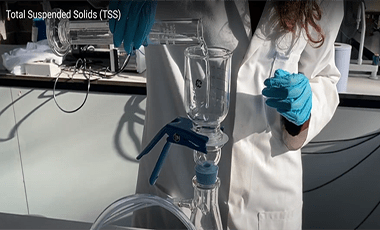
In an applied subject – such as engineering – practical, hands-on learning opportunities are invaluable. Student and external examiner feedback has emphasised the value that students place on laboratory and practical classes, and the desire to incorporate more of these activities into the modules offered. This project focuses on two modules which are delivered simultaneously to two cohorts of students; in-person and online.