
HEA Open Education: Supporting Policy and Practice.
Case Study Collection
Examples of Open Education initiatives from across higher education in Ireland.
| Title | Bridging the Cyber Safety Gap: A Free Train-the-Trainer Course for Adult Educators | ||||||||||||||||||
|---|---|---|---|---|---|---|---|---|---|---|---|---|---|---|---|---|---|---|---|
| Contributor(s) |
| ||||||||||||||||||
| Discipline (select all that apply) |
| ||||||||||||||||||
| Keywords | Cybersafety, Digital Inclusion, Older Adults, Adult Educators, Train-the-Trainer | ||||||||||||||||||
| Initiative Description | |||||||||||||||||||
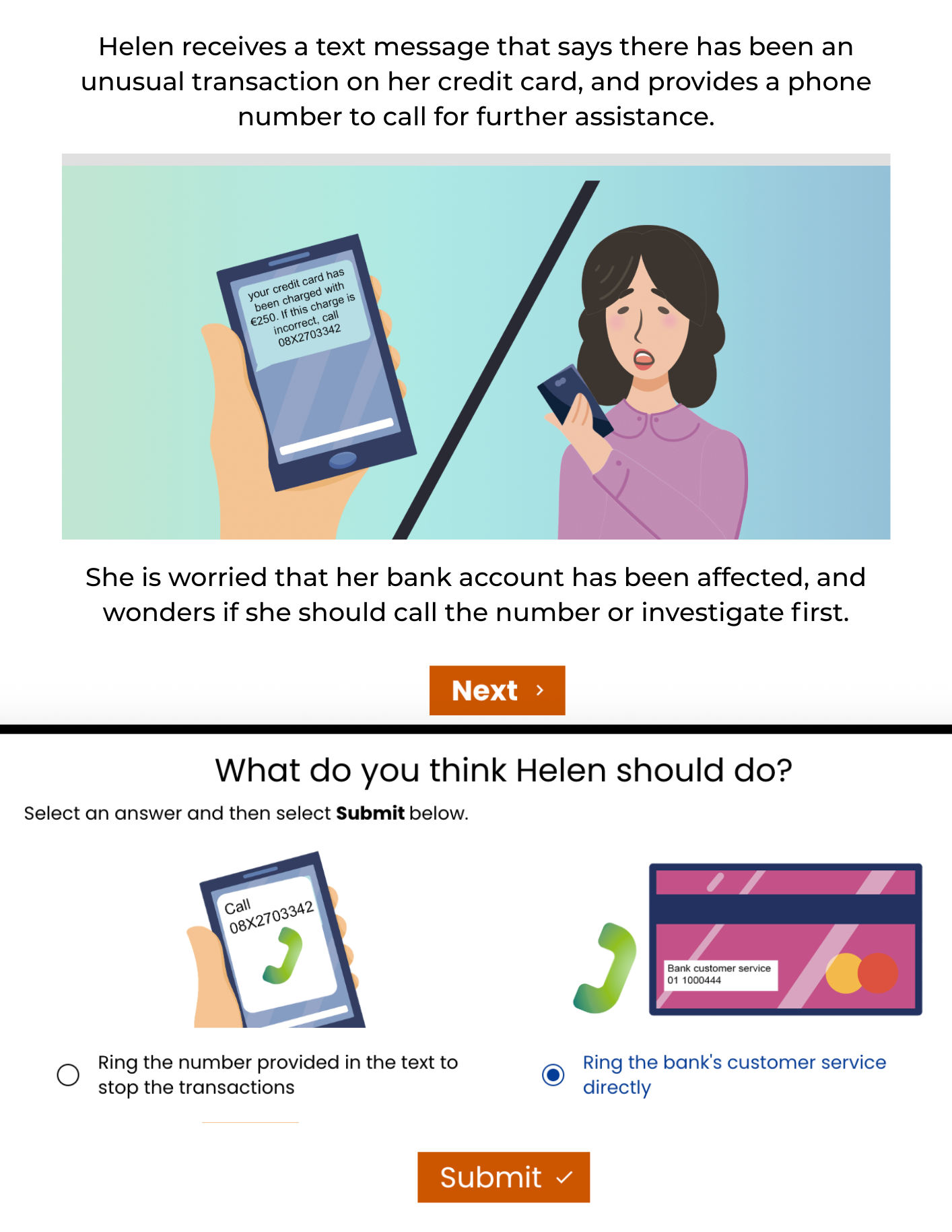
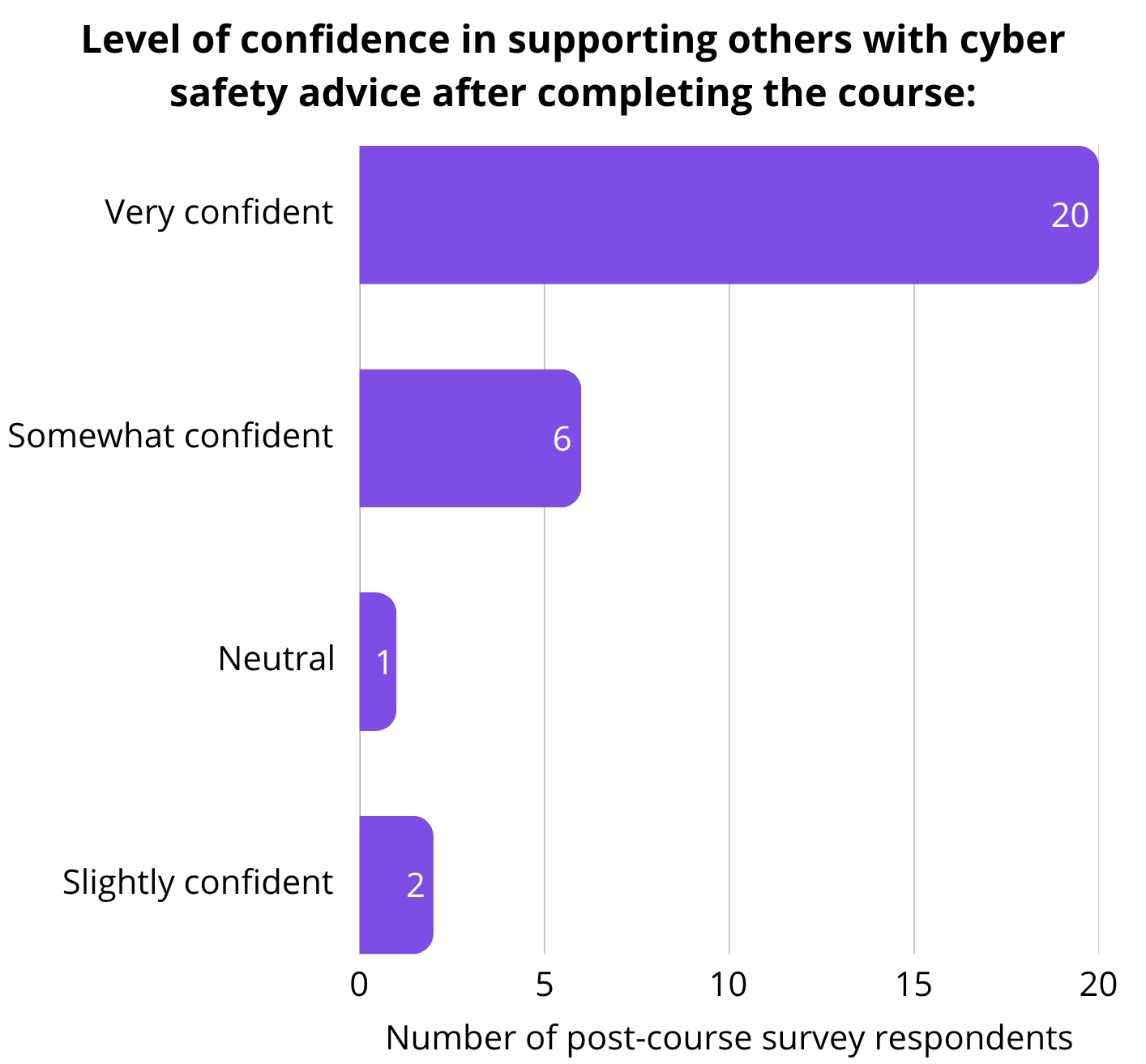
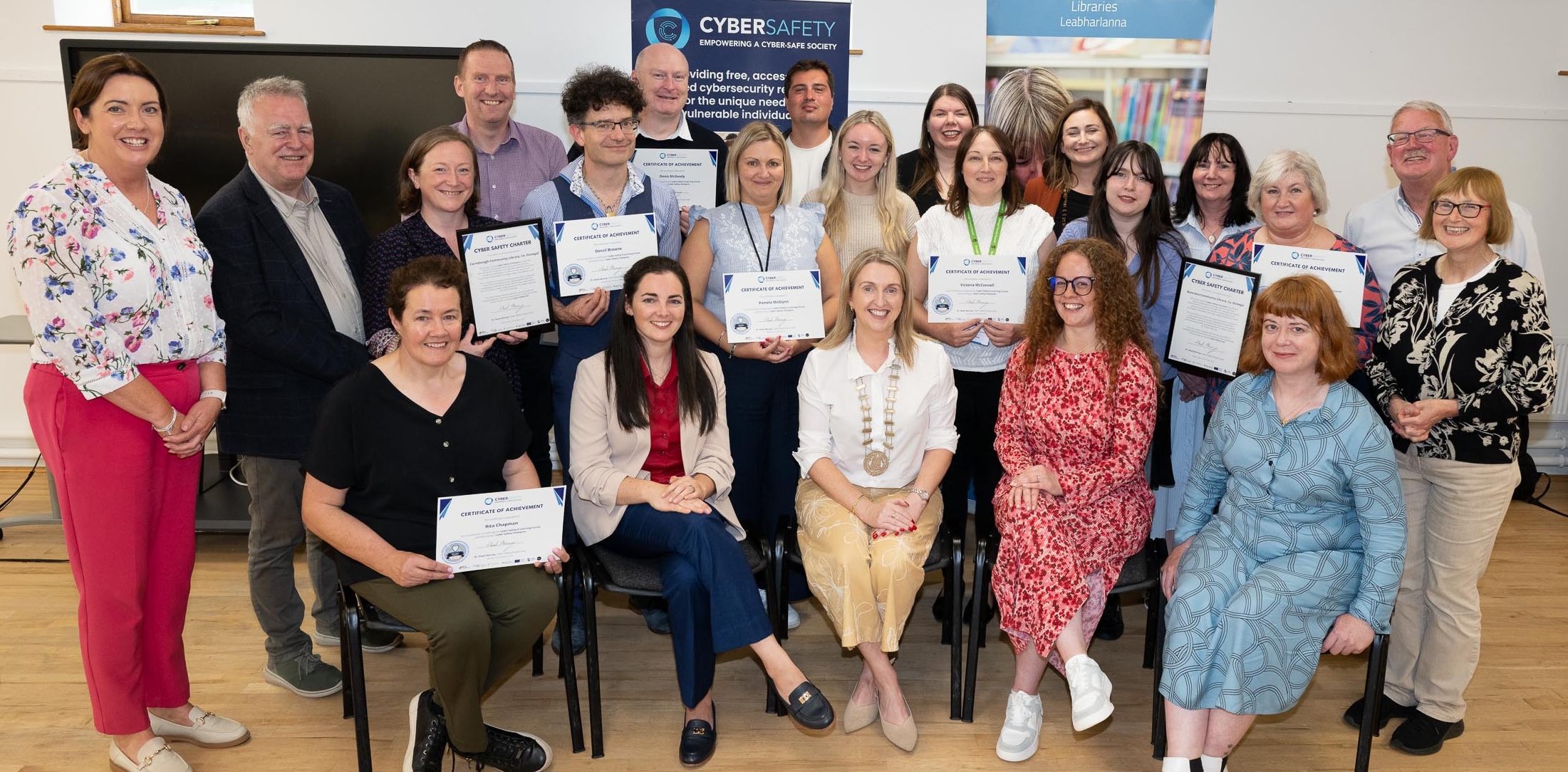
| Outline or Description | Digital skills education for older adults in Ireland largely focuses on foundational technology use rather than targeted cyber safety advice, leaving community-based digital educators, including librarians, FET and ETB tutors without accessible resources to address the growing threats their learners face. This gap is particularly pronounced in rural communities, where the digital divide is compounded by limited access to in-person support. This work responded to these challenges through a mixed methods, co-informed development process spanning over two years (2024-2026). In the first phase, priority voting exercises and focus groups with older adults (n=58) were used to identify the cyber safety topics of greatest concern to this cohort. These findings shaped the structure and content of a five-chapter free e-learning course and companion classroom guide, developed for digital educators, using a train-the-trainer approach that recognised the trust-based nature of learning in community and lifelong education contexts. In the second phase, a diary study with digital educators (n=11) provided longitudinal feedback that drove an iterative redesign of the course. This included revisions to language, tone, and visual design following educator feedback. The five course chapters cover cyber safety fundamentals, staying private online, recognising and avoiding scams, password management and recovery, and responding to hacking. A companion classroom guide with ten activities of varying difficulty was designed to support in-person delivery, and allow educators to adapt materials for learners with varying levels of digital access and confidence. Recognising libraries as trusted, age-friendly community hubs, the course was launched to digital educators at an online onboarding event in February 2025, followed by an in-person launch in a library in County Donegal in July 2025. Nineteen library staff representing 13 libraries attended, receiving certificates of completion. The course has since enrolled 195 individuals across seven counties, including library staff, ETB and FET tutors, adult learners, and secondary school students. This unexpected but significant uptake beyond the intended cohort demonstrates the accessible and multipurpose nature of the course design, with future plans to design a version of the course tailored to young people that wish to learn cybersecurity advice for themselves and their families. Focus groups are underway with 12-18 year olds (n=18) to define priority topics of interest for both individual and community learning. Future research aims to expand this participatory design process, and create more tailored community-based training models in the hope of generating further impact across a wider range of ages and backgrounds. This is supported by the findings, which show that cyber safety education is not solely an issue of youth or older adult digital literacy. It is multi-generational and can affect those who professionally support and inform digitally excluded populations. This initial uptake provides a promising foundation for broader national deployment, and the transferable and iterative nature of the course design also opens the possibility of international replication, with scope for module adaptation to reflect the needs of older adults and digital educators in other countries. A post-course feedback survey remains open to responses to ensure the advice offered within remains best practice and up to date with evolving cyber threats and scams. Enrolment is continuing to grow through communities, with the long-term aim of establishing a Cyber Safety Champion in every public library in Ireland. | ||||||||||||||||||
| Collaboration, Partnerships & Student Participation | The course will be sustained by dissemination through Irish libraries and existing ETB and FET infrastructure, requiring no ongoing institutional resource for delivery. Regular content updates are planned to keep pace with the evolving cyber threat landscape, including emerging threats such as AI-generated deepfakes and voice phishing. A dedicated cyber safety course for 12–18 year olds is currently being co-designed with secondary school students, which will connect to the existing course through a shared intergenerational cyber safety ecosystem. Feedback from enrolled participants will continue to inform iterative improvements to both the course and companion guide. | ||||||||||||||||||
| Best Practices & Resources | |||||||||||||||||||
| Top Tips |
| ||||||||||||||||||
| Useful Resources |
| ||||||||||||||||||
| Images | |||||||||||||||||||
| Funding Details | This research was conducted with the financial support of the EU Commission Recovery and Resilience Facility under Research Ireland Our Tech Grant Number 22/NCF/OT/11212G. The research was supported in part by a Google Trust and Safety Research Award. Dr Murray is supported by Taighde Éireann – Research Ireland under Grant number 13/RC/2077_P2 at CONNECT: the Research Ireland Centre for Future Networks. |
Submitted case studies are shared in the spirit of knowledge exchange and sectoral development in Open Education (OER/OEP). The views and opinions expressed in these case studies are those of the individual contributors and not necessarily those of the Higher Education Authority (HEA). Unless otherwise stated, this material is provided under a Creative Commons Attribution 4.0 International License.